Treatment of Plantar Fasciitis

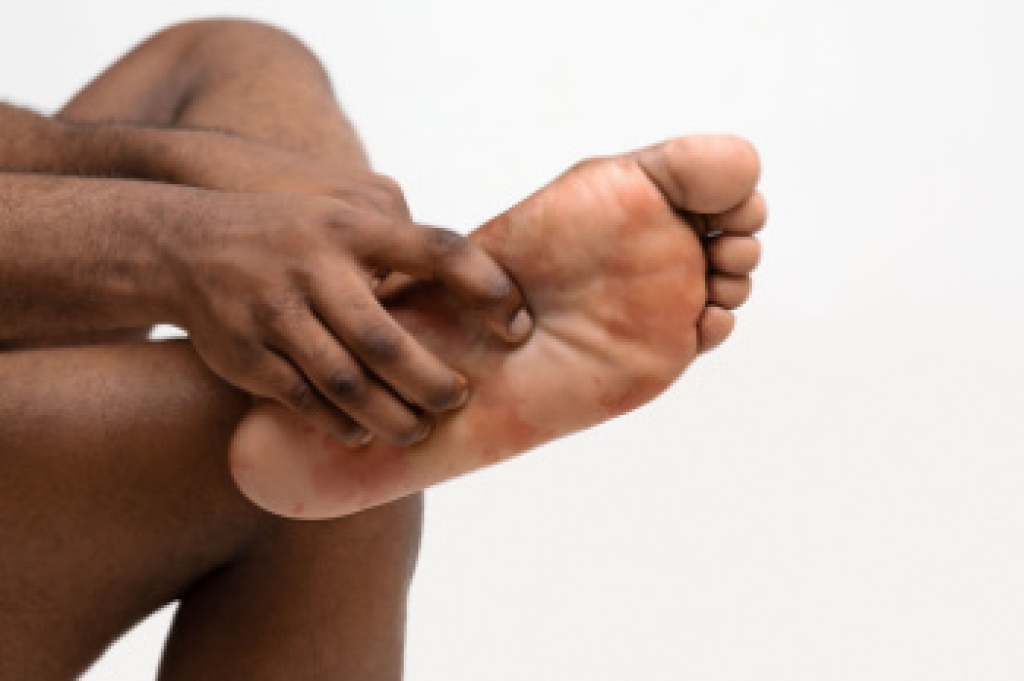
Plantar fasciitis develops when the thick tissue along the bottom of the foot becomes irritated, leading to heel pain and stiffness. Treatment  of plantar fasciitis is aimed at reducing strain on this tissue and restoring normal foot function. A podiatrist can examine foot structure and movement to identify such causes as tight calf muscles or poor alignment. Custom orthotics, which are medical-grade shoe inserts, may be prescribed by a podiatrist to support the arch and reduce pressure on the heel. Anti-inflammatory medication can help decrease swelling and discomfort. In more persistent cases, certain injections may be used to calm inflammation. Immobilization with a walking boot can give the tissue time to heal by limiting stress on the foot. Imaging tests may be ordered to confirm the diagnosis and rule out other conditions. Early care can improve mobility and prevent chronic pain. If you are experiencing heel pain from plantar fasciitis, it is suggested that you make an appointment with a podiatrist for treatment.

Plantar fasciitis is a common foot condition that is often caused by a strain injury. If you are experiencing heel pain or symptoms of plantar fasciitis, contact one of our podiatrists from Ultimate Foot Care . Our doctors can provide the care you need to keep you pain-free and on your feet.

What Is Plantar Fasciitis?

Plantar fasciitis is one of the most common causes of heel pain. The plantar fascia is a ligament that connects your heel to the front of your foot. When this ligament becomes inflamed, plantar fasciitis is the result. If you have plantar fasciitis you will have a stabbing pain that usually occurs with your first steps in the morning. As the day progresses and you walk around more, this pain will start to disappear, but it will return after long periods of standing or sitting.

What Causes Plantar Fasciitis?

  • Excessive running
  • Having high arches in your feet
  • Other foot issues such as flat feet
  • Pregnancy (due to the sudden weight gain)
  • Being on your feet very often

There are some risk factors that may make you more likely to develop plantar fasciitis compared to others. The condition most commonly affects adults between the ages of 40 and 60. It also tends to affect people who are obese because the extra pounds result in extra stress being placed on the plantar fascia.

Prevention

  • Take good care of your feet – Wear shoes that have good arch support and heel cushioning.
  • Maintain a healthy weight
  • If you are a runner, alternate running with other sports that won’t cause heel pain

There are a variety of treatment options available for plantar fasciitis along with the pain that accompanies it. Additionally, physical therapy is a very important component in the treatment process. It is important that you meet with your podiatrist to determine which treatment option is best for you.

If you have any questions, please feel free to contact our office located in Smithtown, NY . We offer the newest diagnostic and treatment technologies for all your foot care needs.

 

Read more about Plantar Fasciitis

Osteoarthritis and Its Impact on Foot Health

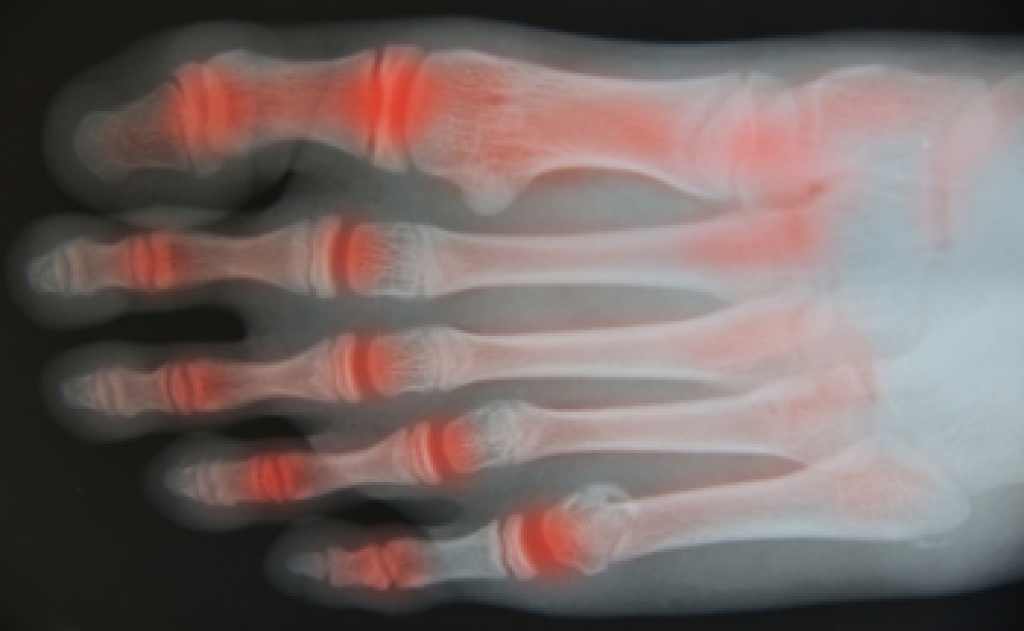
Osteoarthritis is a degenerative joint condition that occurs when cartilage wears down over time, leading to pain and stiffness. In the feet, it often affects joints in the toes and midfoot, making walking uncomfortable. Causes include aging, excess body weight, genetic predisposition, and other forms of arthritis that contribute to joint damage. Symptoms include pain, swelling in foot joints, reduced flexibility, and discomfort that may worsen at night. Persistent foot pain can interfere with daily activities and overall quality of life. A podiatrist can diagnose the condition, recommend supportive footwear, provide custom orthotics, and develop a treatment plan to reduce pain and improve mobility. If you are experiencing ongoing foot discomfort or swelling, it is suggested that you consult a podiatrist who can offer effective relief and management solutions.

Arthritis can be a difficult condition to live with. If you are seeking treatment, contact one of our podiatrists from Ultimate Foot Care . Our doctors can provide the care you need to keep you pain-free and on your feet.

Arthritic Foot Care  

Arthritis is a term that is commonly used to describe joint pain.  The condition itself can occur to anyone of any age, race, or gender, and there are over 100 types of it.  Nevertheless, arthritis is more commonly found in women compared to men, and it is also more prevalent in those who are overweight. The causes of arthritis vary depending on which type of arthritis you have. Osteoarthritis for example, is often caused by injury, while rheumatoid arthritis is caused by a misdirected immune system.

Symptoms

  • Swelling
  • Pain
  • Stiffness
  • Decreased Range of Motion

Arthritic symptoms range in severity, and they may come and go. Some symptoms stay the same for several years but could potentially get worse with time. Severe cases of arthritis can prevent its sufferers from performing daily activities and make walking difficult.

Risk Factors

  • Occupation – Occupations requiring repetitive knee movements have been linked to osteoarthritis
  • Obesity – Excess weight can contribute to osteoarthritis development
  • Infection – Microbial agents can infect the joints and trigger arthritis
  • Joint Injuries – Damage to joints may lead to osteoarthritis
  • Age – Risk increases with age
  • Gender –Most types are more common in women
  • Genetics – Arthritis can be hereditary

If you suspect your arthritis is affecting your feet, it is crucial that you see a podiatrist immediately. Your doctor will be able to address your specific case and help you decide which treatment method is best for you.

If you have any questions please feel free to contact our office located in Smithtown, NY . We offer the newest diagnostic tools and technology to treat your foot and ankle needs.

Read more about How to Care for Your Arthritic Foot

Ingrown Toenails on Both Big Toes in Babies

Ingrown toenails can occur even in very young babies. In some infants, both big toenails grow into the surrounding skin, a condition called infantile bilateral ingrown toenails. Parents may notice redness, swelling, or tenderness along the sides of the nail. Sometimes the skin looks puffy or slightly inflamed, and the baby may cry when the toe is touched. This often happens because a baby’s nails are soft and curved, and the skin around them is delicate. Wearing tight socks, pressure, or the natural shape of the nail can cause the edge to press into the skin. In many cases, gentle care such as keeping the feet clean, trimming nails straight across, and avoiding tight footwear can help. However, if the toe becomes very red, swollen, or shows drainage, surgery might be recommended. it is suggested that a podiatrist be consulted to evaluate the toe, ease discomfort, and recommend the safest treatment to keep your baby’s feet healthy.

Ingrown toenails can become painful if they are not treated properly. For more information about ingrown toenails, contact one of our podiatrists of Ultimate Foot Care . Our doctors can provide the care you need to keep you pain-free and on your feet.

Ingrown Toenails

Ingrown toenails occur when a toenail grows sideways into the bed of the nail, causing pain, swelling, and possibly infection.

Causes

  • Bacterial infections
  • Improper nail cutting such as cutting it too short or not straight across
  • Trauma to the toe, such as stubbing, which causes the nail to grow back irregularly
  • Ill-fitting shoes that bunch the toes too close together
  • Genetic predisposition

Prevention

Wearing proper fitting shoes and using proper cutting techniques will also help decrease your risk of developing ingrown toenails.

Treatment

Ingrown toenails are a very treatable foot condition. In minor cases, soaking the affected area in salt or antibacterial soaps will not only help with the ingrown nail itself, but also help prevent any infections from occurring. In more severe cases, surgery is an option. In either case, speaking to your podiatrist about this condition will help you get a better understanding of specific treatment options that are right for you.

If you have any questions, please feel free to contact our office located in Smithtown, NY . We offer the newest diagnostic and treatment technologies for all your foot care needs.

Read more about Ingrown Toenails

Do Your Child's Feet Hurt?

Have your child's feet been examined lately? Healthy feet are happy feet. If your child is complaining of foot pain, it may be a sign of underlying problems.

Gout and the Feet

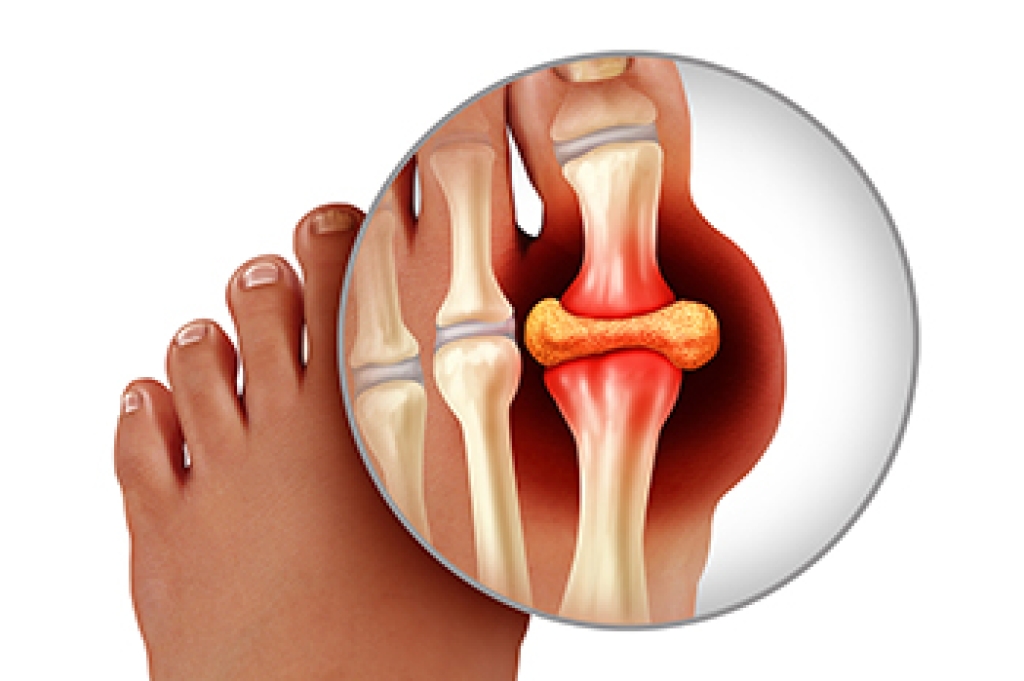
Gout is a painful inflammatory joint condition that develops when excess uric acid accumulates in the body and forms sharp crystals within the joints. This process is associated with a condition in which uric acid levels in the blood become elevated. The big toe joint is one of the most commonly affected areas because it is susceptible to crystal accumulation and pressure during movement. Symptoms include sudden joint pain, swelling, redness, warmth, and tenderness that may make walking difficult. Risk factors may involve diet-related influences, genetic predisposition, certain medical conditions, and reduced kidney function. A podiatrist can evaluate joint symptoms, help manage inflammation, and recommend supportive care. If sudden pain or swelling affects your big toe, it is suggested that you promptly consult a podiatrist who can help you to manage this painful condition.

Gout is a painful condition that can be treated. If you are seeking treatment, contact one of our podiatrists from Ultimate Foot Care . Our doctors will treat your foot and ankle needs.

What Is Gout?

Gout is a form of arthritis that is characterized by sudden, severe attacks of pain, redness, and tenderness in the joints. The condition usually affects the joint at the base of the big toe. A gout attack can occur at any random time, such as the middle of the night while you are asleep.

Symptoms

  • Intense Joint Pain - Usually around the large joint of your big toe, and it most severe within the first four to twelve hours
  • Lingering Discomfort - Joint discomfort may last from a few days to a few weeks
  • Inflammation and Redness -Affected joints may become swollen, tender, warm and red
  • Limited Range of Motion - May experience a decrease in joint mobility

Risk Factors

  • Genetics - If family members have gout, you’re more likely to have it
  • Medications - Diuretic medications can raise uric acid levels
  • Gender/Age - Gout is more common in men until the age of 60. It is believed that estrogen protects women until that point
  • Diet - Eating red meat and shellfish increases your risk
  • Alcohol - Having more than two alcoholic drinks per day increases your risk
  • Obesity - Obese people are at a higher risk for gout

Prior to visiting your podiatrist to receive treatment for gout, there are a few things you should do beforehand. If you have gout you should write down your symptoms--including when they started and how often you experience them, important medical information you may have, and any questions you may have. Writing down these three things will help your podiatrist in assessing your specific situation so that he or she may provide the best route of treatment for you.

If you have any questions, please feel free to contact our office located in Smithtown, NY . We offer the newest diagnostic and treatment technologies for all your foot care needs.
Read more about Gout
scroll to top